
Understanding what AI is changing — before the consequences become difficult to manage.
AI is entering organisations faster than most organisations are developing the ability to understand it.
Not only through deliberate procurement, but through software updates, embedded features, workplace behaviour, automation and everyday decisions.
AI Policies UK exists to make that change visible — and help organisations respond to it responsibly.
Why I built AI Policies UK
I built AI Policies UK because I could see a widening gap between the speed at which artificial intelligence was entering organisations and the ability of those organisations to understand what that adoption really meant.
That gap is not simply about technology. It is about people, data, behaviour, judgement, responsibility and the way organisations change when new capabilities become part of everyday working life. AI can be deliberately introduced, but increasingly it can also arrive through the systems businesses already use, through software updates, embedded tools and individual working practices. By the time an organisation describes itself as ‘adopting AI’, parts of that adoption may already have happened.
I became interested in what sits underneath that change. Not simply what an AI system can do, but what happens around it once people begin using it. How quickly do we trust it? How does it alter the way we make decisions? What happens when something that once required thought becomes automatic? What information is being captured, shared or inferred along the way? At what point does convenience become dependency, and how much of that change is visible to the people responsible for the organisation?
Those are the questions that led me here.
Interpretation matters
One of the things that stayed with me from studying law was the importance of interpretation. Facts do not exist in isolation from the people interpreting them. Context matters. Language matters. What somebody knows, believes or understands at the time matters, and all of those things influence what they subsequently decide to do.
I think that becomes particularly important with AI because we are moving into areas where many of the social, operational and legal questions are still developing. We have never previously introduced technology with these capabilities, at this speed, across so many parts of ordinary life and business at once.
Since the pandemic, our relationship with technology has also changed dramatically. Working remotely, communicating through screens and relying on digital systems became normal extraordinarily quickly. Since then, increasingly sophisticated technologies have moved further into our workplaces, homes and public spaces. Data is collected in ways that most of us rarely stop to consider, AI is becoming embedded in familiar software, and systems can now analyse, infer and recommend in ways that would have seemed unusual only a few years ago.
There are people who welcome that development enthusiastically because they see innovation, efficiency and possibility. There are others who are much more cautious about privacy, surveillance, dependency or the loss of human control. Neither response can simply be dismissed. If we want to understand how technology will affect organisations, we also have to understand the people who will use it, experience it and sometimes resist it.
Seeing the wider system
I have always tended to see connections rather than individual issues. When something changes in one part of a system, I want to understand what it changes somewhere else.
My legal training contributed to that way of thinking, but so did many years working with human behaviour. Through coaching, including my work with Tony Robbins, I have spent thousands of hours working with people from more than 150 countries. That experience taught me something that is difficult to capture through technology alone: people can experience exactly the same situation and interpret it in completely different ways.
That matters enormously when we think about AI.
A system can be technically impressive and still create a human problem. A process can appear efficient while quietly changing the conditions in which somebody makes a decision. A new feature can look insignificant on its own while altering a data flow, creating a dependency or introducing a capability that nobody has considered from a governance perspective.
I do not claim to know every way in which every person will interpret a technology. Nobody could. What I do bring is a habit of looking around the technology rather than only at it, and asking where the connections, consequences and potential points of risk might sit.
That is the thinking behind AI Policies UK.
Awareness before reaction
This work has never been about frightening people away from artificial intelligence. I believe AI offers extraordinary opportunities, and businesses should be able to benefit from them. But innovation and responsibility do not have to compete with one another.
My concern is what happens when adoption moves faster than understanding.
Some of the subjects I began exploring months ago, including AI wearables, passive data capture, biometric information, changes in human judgement and less visible forms of AI adoption, are now beginning to appear more regularly in regulatory, governmental and legal conversations internationally. I do not see that as a reason to say that every risk I identify will materialise. I see it as confirmation that it is worth asking these questions before organisations are forced to ask them.
Waiting until an issue reaches a regulator, a court or a serious complaint is a very expensive way to discover that something should have been considered earlier.
I would rather create awareness at the beginning. Give people enough understanding to make conscious decisions about the technology they introduce and the technology they inherit. Help them think about what it could mean for their customers, their workforce, their information and their decision-making. Then put proportionate safeguards around the areas where they are needed.
That is ultimately what AI Policies UK is about.
AI is going to continue changing. The objective cannot be to anticipate every technology, every legal interpretation or every possible outcome. It is to become better at seeing change as it happens, understanding the wider system around it and asking the right questions early enough to do something useful with the answers.
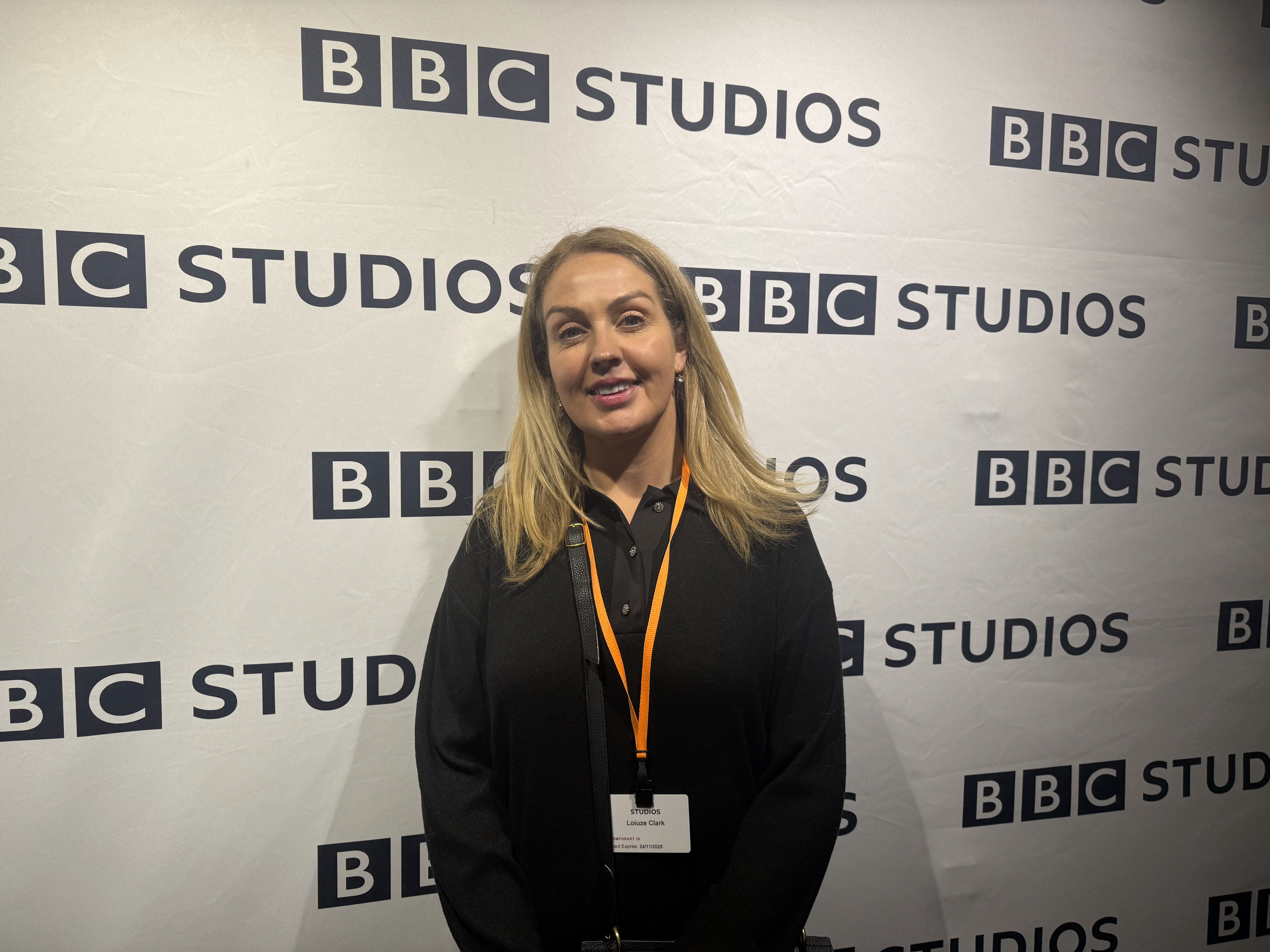
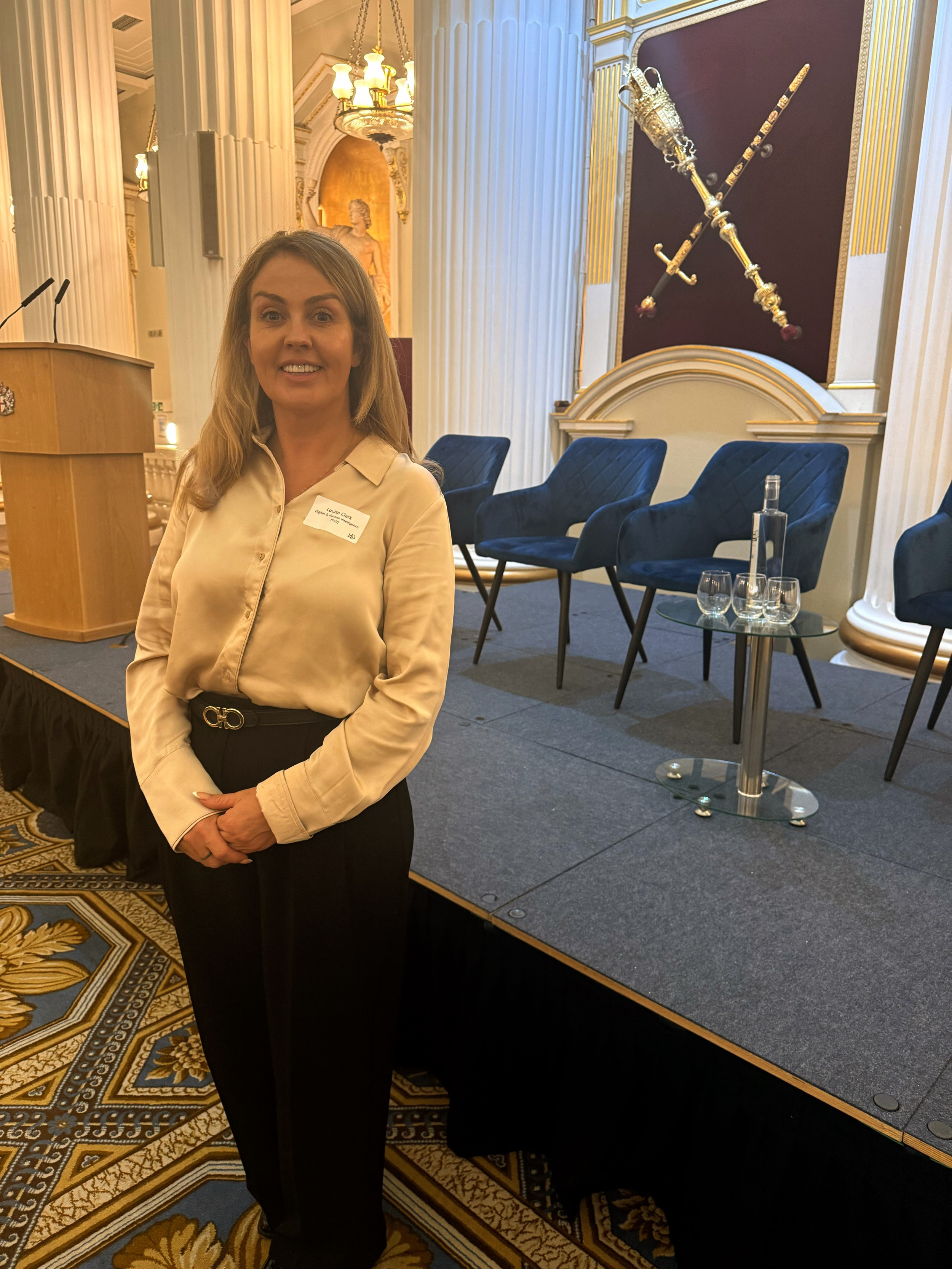
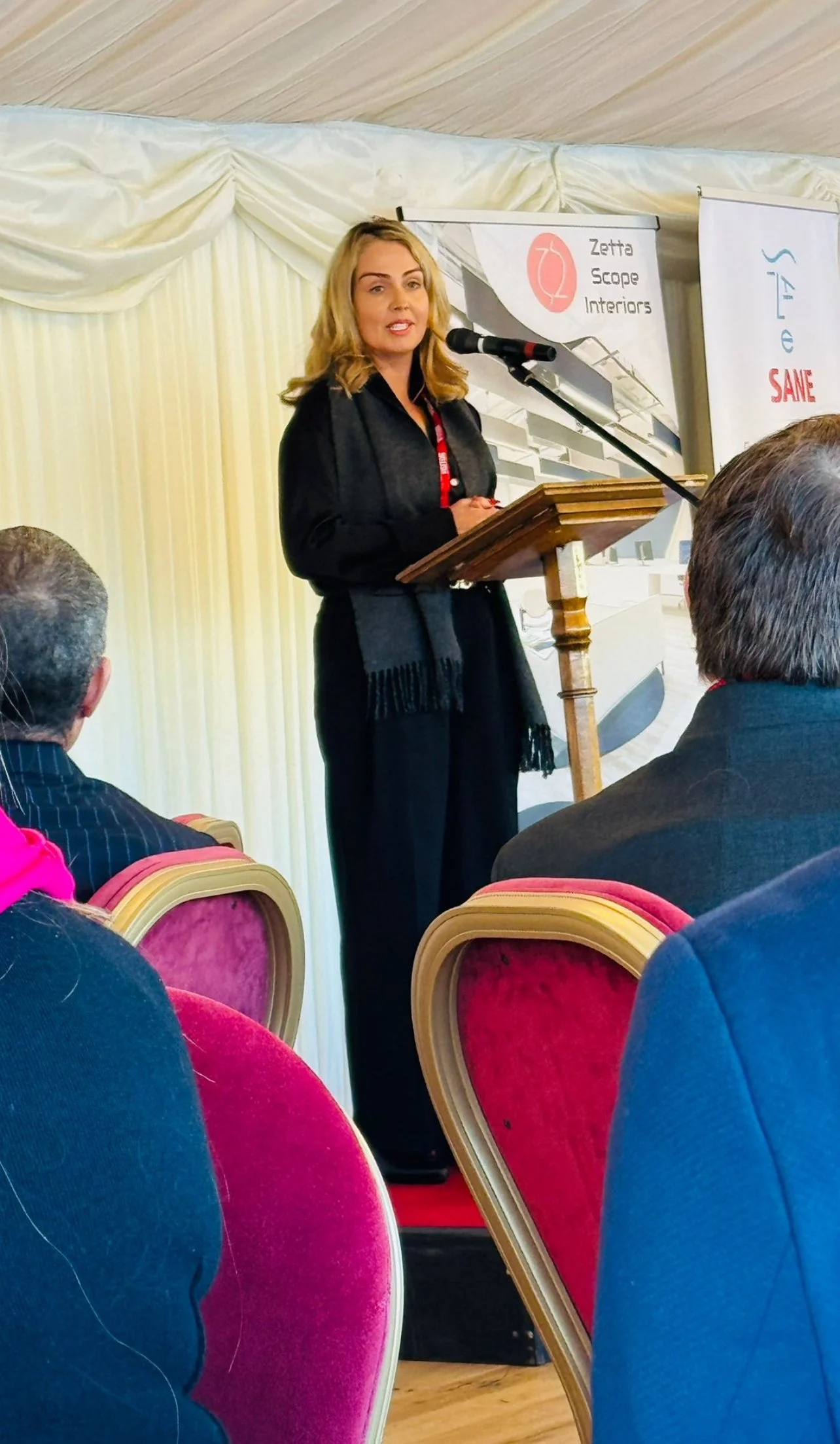
Louize Clark
Founder, AI Policies UK


The Thread That Runs Through My Career
2014 - Connected Experiences
Rise As One FIFA World Cup Campaign
One of the earliest large-scale digital and connected advertising campaigns, combining physical environments, mobile technology, data and audience engagement at scale.
2015 - Immersive Technologies
Stella Artois Wimbledon Experience
An early virtual reality activation that explored how immersive technology could transform audience engagement and digital experiences.
2017 Connected Assets
Winterhalter Smart Kitchen
A pioneering connected kitchen environment demonstrating how operational technology, equipment and data could work together as a single system.